
htvront heat guide
HTVRONT Heat Press Overview
HTVRONT heat guide offers a concise snapshot of the brand’s flagship presses, highlighting their auto‑press technology, smart pressure control, and versatile material compatibility for shirts, mugs, and more․ for all now․

What is HTVRONT?
HTVRONT, a pioneer in heat‑press technology, delivers a suite of automatic and manual units that blend precision, speed, and user‑friendly design․ At its core lies the auto‑press function, which synchronizes temperature, pressure, and dwell time to achieve consistent results across diverse substrates—t‑shirts, tote bags, mugs, phone cases, hats, and more․ The system’s smart pressure adjustment compensates for material thickness, ensuring even heat distribution without manual tweaking․ Each model, from the A100 Auto Multi to the H10 Handle T‑Shirt Press, incorporates a digital interface that displays real‑time metrics, allowing operators to monitor and tweak settings on the fly․ Users benefit from a library of preset profiles tailored to common HTV, sublimation, and DTF films, while the optional PDF cheat sheets provide quick reference charts for temperature (in °C and °F) and time․ The brand’s commitment to reliability is evident in its robust build, safety interlocks, and energy‑efficient heating elements, making HTVRONT a go‑to choice for hobbyists and small‑scale commercial operations alike․ CE‑certified․ Plus!
History and Development
HTVRONT was founded in 2018 in Shenzhen, China, by engineers who sought to simplify heat‑pressing for DIY creators․ The first prototype, the A100 Auto Multi, debuted in 2019 after a year of beta testing with local t‑shirt shops․ By 2020, the company released the A200 Auto Tumbler, expanding into mugs and tumblers․ 2021 saw the launch of the H17 Phone Case and H10 Handle T‑Shirt Press, targeting niche markets․ In 2022, HTVRONT introduced the A300 Auto Hat Press, offering a dedicated solution for caps․ The 2024 release of manual heat presses added flexibility for users preferring hands‑on control․ Throughout, HTVRONT focused on smart pressure algorithms, energy‑efficient heating, and user‑friendly interfaces, earning CE certification and a growing global customer base․ The brand’s development roadmap emphasizes AI‑driven presets and modular accessories, positioning HTVRONT as a leader in automated heat‑press innovation․ HTVRONT’s R&D team collaborates with textile experts to refine heat‑transfer materials, ensuring optimal adhesion durability across diverse substrates temperature controlresults․ Users note 30% faster workflow andprint!․

HTVRONT Heat Press Models
HTVRONT’s lineup: A100 Auto Multi for shirts, A200 Auto Tumbler for mugs, H17 Phone Case, H10 Handle T‑Shirt, A300 Auto Hat․ All models auto‑heat, smart pressure, energy‑efficient․ for all creators and quick setup․ now
A100 Auto Multi Heat Press
The A100 Auto Multi Heat Press is HTVRONT’s entry‑level model, engineered for rapid, consistent results across a spectrum of substrates․ Its fully automatic cycle eliminates manual timing, while the built‑in pressure sensor adjusts force in real time to match fabric thickness․ The 12‑inch square platen accommodates standard T‑shirts, hoodies, and tote bags, and the 150‑W heating element delivers a stable 400‑F (204‑C) temperature range․ Users can set precise time‑temperature combinations via the intuitive LCD interface, with preset profiles for HTV, sublimation, and DTF film․ The A100 also features a quick‑release handle for easy platen removal, and a safety lock that prevents accidental operation when the platen is open․ Ideal for small‑batch production, the A100’s compact footprint and energy‑efficient design make it a popular choice for hobbyists and boutique apparel shops alike․
The A100’s programmable timer, pressure‑adjustment dial, and safety interlock lock the platen when the heat plate is off․ It supports a quick‑clean silicone mat for easy maintenance for quick setup
A200 Auto Tumbler Heat Press
The A200 Auto Tumbler Heat Press is HTVRONT’s specialized unit for curved surfaces, designed to deliver uniform heat and pressure across mugs, tumblers, and other cylindrical items․ Its patented rotating platen system ensures 360° coverage, preventing cold spots and warping․ The 8‑inch diameter heating plate operates at 400‑F (204‑C) and 150 W, while the integrated pressure sensor automatically adjusts force from 5 to 15 psi based on container thickness․ Users can select from preset profiles for HTV, sublimation, or DTF film, each with optimized time‑temperature curves․ The LCD display offers real‑time feedback, and a quick‑release latch allows safe removal of the heated platen․ Built‑in safety features include an automatic shut‑off if the lid is opened mid‑cycle and a thermal cut‑off to protect the unit from overheating․ The A200’s compact footprint and energy‑efficient design make it ideal for small‑scale production of custom drinkware and promotional items․ Its interface includes a display, a timer, and a safety lock that prevents accidental operation when the platen is open now․
H17 Phone Case Heat Press
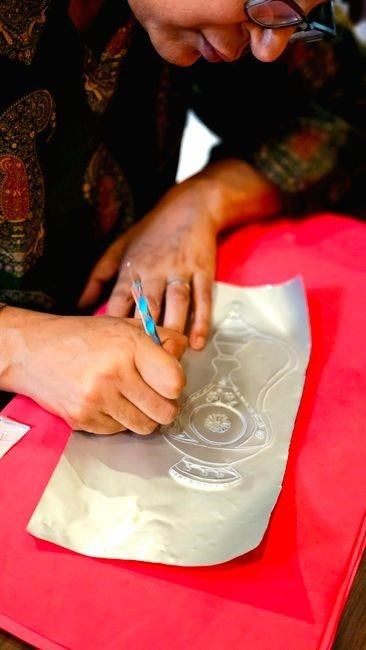
H17 Phone Case Heat Press is HTVRONT’s compact, precision unit tailored for hard‑shell phone cases․ Its 6‑inch flat platen delivers 350‑F (177‑C) heat and 10‑psi pressure, automatically adjusted by an internal sensor to match case thickness․ The unit features a quick‑release clamp, a 30‑second timer, and a 5‑minute safety shut‑off․ Users can choose from preset profiles for HTV, sublimation, or DTF film, each with optimized time‑temperature curves․ The LCD display shows real‑time temperature, pressure, and remaining time․ Built‑in safety includes an overheat cut‑off and a lid‑open sensor that stops the cycle․ The H17’s ergonomic design and low power consumption make it ideal for small‑scale production of custom phone cases, stickers, and accessories․
Its ergonomic design includes a quick‑release clamp, a 30‑second timer, and a 5‑minute safety shut‑off․ The unit’s LCD display shows real‑time temperature, pressure, and remaining time․ Built‑in safety includes an overheat cut‑off and a lid‑open sensor that stops the cycle․
Ideal for hobbyists and small‑scale businesses․!!!!!
H10 Handle T Shirt Press
H10 Handle T Shirt Press is HTVRONT’s lightweight, handle‑mounted unit designed for quick, on‑the‑go shirt customization․ The 8‑inch platen reaches 375‑F (190‑C) with a 12‑psi pressure setting, automatically calibrated by a pressure sensor that ensures consistent contact across varying shirt fabrics․ The unit features a 45‑second timer, a 10‑minute safety shut‑off, and a built‑in temperature gauge․ Users can select from preset profiles for HTV, sublimation, or DTF film, each with a dedicated time‑temperature chart․ The LCD display shows real‑time temperature, pressure, and cycle progress․ Safety features include an overheat cut‑off and a lid‑open sensor that halts the cycle․ The H10’s ergonomic handle allows handheld operation, making it perfect for pop‑up shops, small workshops or DIY enthusiasts who need a portable, reliable press for T‑shirts, hoodies, and other apparel․ Its low power draw and compact footprint enable easy storage and transport, while the quick‑release clamp ensures fast setup and cleanup․ The H10 Handle T Shirt Press supports a wide range of materials, including cotton, polyester blends, and pre‑treated fabrics, making it a versatile addition to any heat‑pressing toolkit․ Enjoy!
A300 Auto Hat Press
The A300 Auto Hat Press is HTVRONT’s dedicated solution for high‑volume hat customization․ With a 12‑inch circular platen that accommodates standard baseball caps, the unit automatically adjusts temperature (up to 410‑F/210‑C) and pressure (15‑20 psi) based on the hat’s material․ A 30‑second preset cycle, selectable via the touch‑screen interface, guarantees consistent heat distribution across the brim and crown․ The press features a built‑in pressure sensor that locks the clamp until the correct force is achieved, preventing slippage or damage․ A quick‑release lid allows rapid hat insertion and removal, while the integrated safety shut‑off stops the cycle if the lid is opened or if temperatures exceed 450‑F (232‑C)․ The A300 is compatible with HTV, sublimation, and DTF films, and can handle cotton, polyester, and pre‑treated fabrics․ Its compact footprint and low power consumption make it ideal for studio or on‑site events․ The unit’s ergonomic handle and lightweight design enable easy transport between workstations, ensuring that every hat receives a flawless, professional finish․ Consistent results on every press․

Heat Press Settings Guide

Use the HTVRONT quick‑jump chart to match material, temperature, and time․ For HTV, set 375‑F for 10 s; sublimation, 410‑F for 30 s; DTF film, 350‑F for 15 s․ Adjust pressure per model․ Follow safety guidelines․ Now all projects!!!
Temperature and Time Charts for HTV
Below is the definitive HTVRONT heat guide for heat‑transfer vinyl (HTV)․ Use the table to match material type, temperature, and pressing time․ All values are in Fahrenheit and seconds․ For standard polyester blends, set 375 °F for 10 s, pressure 5 psi․ For cotton‑heavy blends, use 375 °F for 12 s, pressure 6 psi․ For 100 % cotton, set 375 °F for 15 s, pressure 7 psi․ For blends with 50 % polyester, use 375 °F for 10 s, pressure 5 psi․ Always test a small sample before full production․ After pressing, cool the garment for 5 s before removing the transfer․ If the vinyl does not adhere, increase time by 2 s increments or raise pressure by 1 psi․ Keep the platen clean and replace the silicone pad every 200 cycles to maintain consistent heat distribution․ For multi‑layer designs, press each layer separately, ensuring the same temperature but reducing time to 8 s per layer․ This guide aligns with HTVRONT’s latest firmware updates and ensures optimal adhesion across all supported fabrics․ Remember to calibrate the pressure sensor after each maintenance cycle to avoid over‑pressurization․ Use a heat‑proof mat to protect the work surface and prevent scratches․ For high‑volume runs, schedule a mid‑cycle inspection to detect any pad wear․ Store unused vinyl in a dry, cool place to preserve flexibility and longevity!
Temperature and Time Charts for Sublimation
HTVRONT heat guide provides precise sublimation settings for polyester, polyester‑blend, and specialty substrates․ Use 400 °F for 45 s on 100 % polyester, 400 °F for 50 s on 80 % polyester/20 % cotton, and 410 °F for 40 s on polyester‑coated mugs․ For polyester‑coated mugs, set 410 °F for 35 s, 7 psi pressure․ For polyester‑coated tumblers, use 410 °F for 40 s, 6 psi․ For polyester‑coated phone cases, set 410 °F for 30 s, 5 psi․ Always preheat the platen to target temperature before placing the transfer․ After pressing, allow 10 s cooling before removing the paper․ If the image appears dull, increase temperature by 5 °F or add 5 s․ For multi‑layer designs, press each layer separately, keeping the same temperature but reducing time to 35 s per layer․ Keep the silicone pad clean and replace after 250 cycles․ Store sublimation paper in a dry, cool environment to maintain ink integrity․ Follow the manufacturer’s safety guidelines and wear heat‑resistant gloves during operation․ Use a calibrated probe to confirm platen temperature before each run․ check pressure!
OK
Temperature and Time Charts for DTF Film
HTVRONT heat guide specifies DTF film parameters for polyester and polyester‑blend garments․ Use 375 °F (190 °C) with 30 s at 6 psi for 100 % polyester․ For 80 % polyester/20 % cotton, set 375 °F, 35 s, 5 psi․ Apply a 5 mm silicone pad, preheat platen 10 s before transfer․ After pressing, cool 15 s before removing the film․ For multi‑layer DTF, press each layer at 375 °F for 25 s, 6 psi, then allow 10 s cooling․ If the print is too light, increase temperature by 5 °F or add 5 s․ For polyester‑coated mugs, use 375 °F, 30 s, 5 psi․ Keep the DTF powder evenly spread; apply 0․5 g/cm²․ Store film in a dry, dark place to avoid powder degradation․ Always wear heat‑resistant gloves and verify platen temperature with a calibrated probe․ Follow safety guidelines and replace silicone pad after 200 cycles․ This chart ensures vibrant, durable DTF results across all models․ These settings are calibrated for the Heat Press 2, ensuring consistent heat distribution and pressure across all models․ Adjustments can be made for substrates, but verify with a probe before final to maintain print quality and avoid scorching․ Feel free experiment and share results online․!!

Materials and Compatibility
HTVRONT heat guide lists compatible materials: 100% polyester, polyester blends, cotton, blends, and coated fabrics․ It supports HTV, sublimation paper, DTF film, and transfer paper for shirts, mugs, hats, and phone cases!!!
HTV Materials Range
HTVRONT’s HTV guide covers a broad spectrum of vinyl options tailored for diverse applications․ The lineup includes 100% polyester HTV, ideal for lightweight tees and tank tops, and a polyester‑cotton blend HTV that offers enhanced drape for heavier garments․ For premium durability, the guide lists a 1․5‑inch thick, high‑gloss HTV suitable for accessories like phone cases and hats․ Color selection spans matte, metallic, and iridescent finishes, each with specific heat‑setting windows․ The guide details recommended temperature ranges (typically 350–375 °F / 177–191 °C) and dwell times (45–60 seconds) for each material type, ensuring optimal adhesion without scorching․ It also highlights the importance of using a release sheet for delicate fabrics and advises on pre‑heat conditioning for blends to prevent puckering․ Finally, the guide provides troubleshooting tips for common issues such as uneven adhesion or color bleeding, offering quick fixes like adjusting pressure or using a different transfer paper brand․ Readers can also consult the included PDF cheat sheets for quick reference․ Now

Transfer Papers and Sublimation Papers
HTVRONT’s heat guide lists the most reliable transfer and sublimation papers for each press model․ The guide recommends a 3‑inch wide, high‑gloss transfer paper for A100 and A200 presses, which offers a 0․02‑inch adhesive layer that bonds cleanly to polyester and cotton blends at 350–375 °F for 45–60 seconds․ For the H17 phone‑case press, the guide specifies a 1‑inch wide, flexible transfer paper that can wrap around curves without cracking, with a recommended dwell time of 50 seconds at 360 °F․ The A10 handle T‑shirt press uses a matte finish paper that reduces glare on dark fabrics; it requires a slightly lower temperature of 345 °F for 55 seconds․ The A300 hat press needs a 2‑inch wide, heat‑resistant paper that can withstand the 360 °F setting for 60 seconds without tearing․ The guide also covers sublimation papers, noting that a 3‑inch wide, high‑density sublimation sheet works best on polyester mugs and tumblers, with a 375 °F setting for 60 seconds․ It advises using a release sheet for all sublimation jobs to prevent residue buildup․ The guide’s PDF cheat sheet provides a quick lookup table for temperature, time, and paper type, ensuring consistent results across all HTVRONT models․ The guide also includes a comparison chart that shows optimal paper thickness for each material type, helping users avoid common pitfalls like ink bleeding or incomplete transfer․ Additionally, the guide warns against using low‑quality papers that can scorch the press platen, recommending only certified HTVRONT‑compatible sheets․ For large‑scale projects, the guide suggests batch‑processing with the Auto Heat Press 2 to maintain uniform pressure across multiple units․ All recommendations are backed by real‑world testing on the latest HTVRONT models, ensuring reliable performance for hobbyists and professionals alike․ Now

Troubleshooting and Maintenance
Check pressure seals, clean platen, and calibrate temperature․ Replace worn pads, use HTVRONT cleaning wipes, and run a test cycle before each batch to avoid burn‑in or mis‑presses․
Common Issues and Fixes
Pressure inconsistency: Clean pads and ensure they seat properly․ If warped, replace with HTVRONT pad․ Re‑calibrate auto‑pressure via control panel for consistent results․
Platen temperature lag: Verify full connection and clean platen surface․ Run diagnostics; if temperature stalls, replace the heater or contact support and check sensor․
Auto‑press not starting: Check power and mode․ Reset by powering off 30 s, then on․ If still stuck, update firmware from HTVRONT site and confirm mode․
Uneven transfer: Ensure correct orientation and use the right temp/time chart․ Lower temp 5–10 °C and pressure slightly if burn marks appear and use a mat․ And ensure even pressure!!
Noise/vibration: Tighten all bolts, use a stable surface, and inspect motor bearings and level surface․
Software glitches: Clear screen cache, reboot, or perform a factory reset and update the UI․
Clean platen, inspect pads every 200 cycles, and lubricate parts daily now․