
track guide
Trail guides are becoming increasingly popular, with over 645,834 mountain bike trails and 672,229 hiking trails available today.
These resources help adventurers explore diverse landscapes, from Washington State’s scenic paths to Victoria, Australia’s rail trails.
What is a Trail Guide?
A trail guide serves as an invaluable resource for outdoor enthusiasts, offering detailed information about specific paths and routes. These guides extend beyond simple directions; they encapsulate a wealth of knowledge designed to enhance the experience and ensure safety. They detail various trail types, including mountain biking, e-bike, hiking, and even horseback riding trails, catering to a diverse range of activities.
Modern trail guides frequently incorporate trail maps and navigation assistance, alongside crucial details like trail difficulty ratings, trail length, and elevation gain. Information regarding trail surface and current trail conditions is also vital. Whether exploring the Palouse to Cascades State Park Trail in Washington or the Rail Trails of Victoria, a comprehensive guide is essential for a fulfilling adventure.
The Growing Popularity of Trails
The surge in trail usage reflects a broader societal shift towards outdoor recreation and wellness. With over 645,834 mountain bike trails and 385,025 e-bike trails now documented, accessibility is a key driver. This growth is further fueled by initiatives like the Great American Rail-Trail, aiming to connect communities via dedicated pathways.
Regions like Washington State, boasting trails such as the Snoqualmie Valley Trail, and Ontario, Canada, with its extensive bike paths, are witnessing increased tourism. The popularity extends internationally, exemplified by the Rail Trails of Victoria, Australia. Even projects like the Adirondack Rail Trail demonstrate a commitment to creating accessible outdoor spaces. This trend highlights a collective desire for connection with nature and active lifestyles.
Types of Trails & Activities
Trails cater to diverse interests, including mountain biking, e-biking, hiking, trail running, and horseback riding, offering options for all skill levels.
Mountain Biking Trails
With a staggering 645,834 mountain bike trails documented globally, this discipline reigns supreme in trail popularity. These trails vary immensely, ranging from smooth, flowy singletrack designed for beginners to technically challenging courses demanding expert skills.
Popular destinations like Washington State boast extensive networks, including the Palouse to Cascades State Park Trail and the Snoqualmie Valley Trail, offering diverse terrain and breathtaking scenery.
Beyond traditional mountain biking, the rise of e-bikes has opened up trails to a wider audience, allowing riders to conquer challenging climbs and explore further distances. Adaptive bike trails are also increasing, promoting inclusivity within the sport. Winter enthusiasts can even enjoy dedicated fat bike trails when conditions allow, extending the riding season.
E-Bike Trails
The surge in e-bike popularity has dramatically expanded trail accessibility, with over 385,025 dedicated e-bike trails now available. These trails cater to a diverse range of riders, offering assisted power to tackle challenging terrain and extended distances;
E-bikes are particularly beneficial on trails with significant elevation gain, allowing riders to enjoy the scenery without being limited by physical exertion. Many traditional mountain biking trails are now open to e-bikes, fostering inclusivity and broadening the appeal of outdoor recreation.
Regions like Ontario, Canada, are actively developing dedicated bike paths and rail trails suitable for e-bikes, providing safe and scenic routes for exploration. The integration of e-bikes is reshaping the trail experience, making it more accessible and enjoyable for all.
Hiking Trails
Hiking trails represent a cornerstone of outdoor recreation, boasting an impressive 672,229 trails worldwide, offering experiences for all skill levels. From gentle nature walks to challenging multi-day treks, the variety is immense. These paths provide opportunities to connect with nature, improve physical fitness, and escape the stresses of daily life.
Popular destinations like Washington State feature extensive networks of hiking trails, including the Palouse to Cascades State Park Trail and Snoqualmie Valley Trail; These trails often showcase stunning scenery, diverse ecosystems, and historical landmarks.
Trail guides for hiking frequently detail trail length, elevation gain, and surface conditions, aiding hikers in planning safe and enjoyable adventures. The accessibility of hiking makes it a universally appealing activity, fostering a deep appreciation for the natural world.
Trail Running Trails
Trail running trails are rapidly gaining popularity as a dynamic and challenging alternative to road running, offering a unique connection with nature. While specific trail counts weren’t directly provided, the overall growth in trail usage suggests a significant increase in dedicated trail running routes.
These trails often utilize the same networks as hiking trails, but are designed for faster-paced movement, demanding greater agility and endurance. Runners can expect varied terrain, including rocky paths, steep inclines, and technical descents.
Detailed trail guides are crucial for trail running, providing information on elevation profiles, water sources, and potential hazards. Locations like Washington State, with its extensive trail systems, are prime destinations for trail runners seeking adventure and a rewarding physical challenge;
Horseback Riding Trails
Horseback riding trails represent a significant segment of the outdoor recreation market, with approximately 79,383 trails currently documented. These trails cater to a unique experience, allowing riders to connect with nature at a slower pace and explore areas inaccessible to other forms of transport.
Dedicated horseback riding trails often feature wider paths and reinforced surfaces to accommodate horses’ needs, as well as designated parking areas for trailers. Trail guides for equestrian use provide crucial details regarding trail width, bridge weight limits, and potential obstacles.
Regions like Washington State and areas with established rail trails are increasingly opening up to equestrian access, offering diverse riding experiences. Proper planning and adherence to trail etiquette are essential for a safe and enjoyable horseback riding adventure.
Adaptive Bike Trails
Adaptive bike trails are experiencing substantial growth, reflecting a commitment to inclusive outdoor recreation. These trails are specifically designed or modified to accommodate cyclists using adaptive equipment, such as handcycles, recumbent trikes, or tandem bikes. Accessibility is paramount, with features like smooth surfaces, gentle grades, and wider pathways.
Trail guides dedicated to adaptive cycling provide detailed information on trail suitability, including surface type, elevation profiles, and potential challenges. The Palouse to Cascades State Park Trail in Washington is an example of a route increasingly welcoming adaptive cyclists.
The increasing availability of adaptive bike trails empowers individuals with disabilities to enjoy the benefits of cycling and experience the outdoors. Careful trail selection and preparation are key to a safe and rewarding experience.

Winter Fat Bike Trails
Winter fat bike trails are rapidly gaining popularity as a thrilling way to experience snowy landscapes. These trails, designed for bikes with oversized tires (fat bikes), allow riders to navigate packed snow and even some softer conditions. Trail guides specializing in winter cycling are crucial for identifying suitable routes.
The availability of these trails depends heavily on regional snowfall and grooming efforts. Many existing mountain bike trails are converted for fat biking during the winter months, while dedicated fat bike networks are also emerging. Proper tire pressure and warm clothing are essential for a comfortable ride.
Exploring winter fat bike trails offers a unique perspective on familiar landscapes, providing a fun and challenging outdoor activity during the colder seasons.

Trail Guide Features & Information
Essential trail guide details include accurate trail maps, difficulty ratings, length, elevation gain, and current surface conditions for safe and enjoyable exploration.

Trail Maps and Navigation
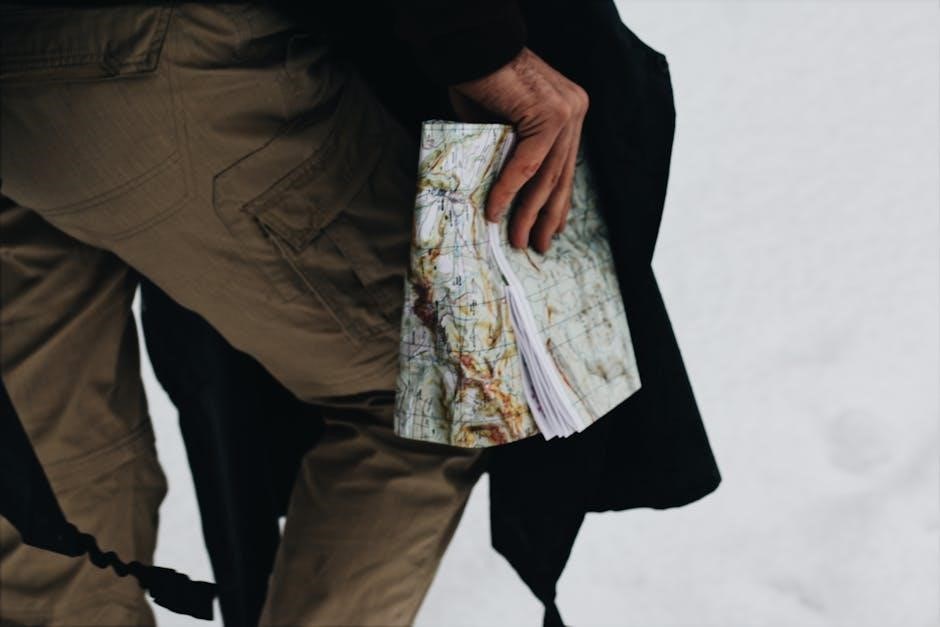
Detailed trail maps are the cornerstone of any effective trail guide, providing users with a visual representation of the route ahead. These maps often incorporate topographic information, showcasing elevation changes and terrain features crucial for planning and preparation. Modern trail guides increasingly leverage digital mapping technologies, offering interactive maps accessible via smartphones and GPS devices.
Navigation tools integrated within trail guides can range from simple compass bearings to sophisticated GPS coordinates. The ability to pinpoint one’s location and track progress along the trail is paramount for safety, especially in remote areas. Furthermore, many guides now include information on trailhead access points, parking availability, and potential hazards along the route. Resources like Adventure Cycling assist in mapping detour routes, ensuring continuous navigation even with unexpected closures, like those encountered on the Great American Rail-Trail.
Trail Difficulty Ratings
Trail difficulty ratings are essential for matching adventurers with appropriate routes, ensuring a safe and enjoyable experience. These ratings typically employ a tiered system – from easy, suitable for beginners and families, to moderate, requiring some level of fitness, and difficult, demanding significant endurance and technical skill. Factors considered include elevation gain, trail surface, technical obstacles (rocks, roots), and overall length.
Understanding these ratings is crucial; a “moderate” trail might involve steep inclines or uneven terrain, while a “difficult” route could present challenging climbs and require specialized equipment. Guides often provide descriptive details alongside the rating, clarifying specific challenges. For example, a trail might be rated as moderate due to its length but also note the presence of rocky sections. Accurate difficulty assessments empower users to make informed decisions and prepare accordingly, maximizing their enjoyment and minimizing risk.

Trail Length and Elevation Gain
Trail length and elevation gain are fundamental metrics for assessing a route’s challenge and planning accordingly. Length, typically measured in miles or kilometers, dictates the time commitment and endurance required. However, length alone isn’t indicative of difficulty; elevation gain—the total vertical distance climbed—significantly impacts exertion levels.
A relatively short trail with substantial elevation gain can be far more demanding than a longer, flatter one. Guides commonly present both metrics, allowing users to estimate completion time and assess their physical preparedness. Understanding these figures helps hikers, bikers, and equestrians choose routes aligned with their fitness levels. For instance, the Adirondack Rail Trail spans 34 miles, while other trails may be significantly shorter. Careful consideration of both length and elevation gain ensures a rewarding and safe outdoor experience.
Trail Surface and Conditions
Trail surface and conditions are critical factors influencing accessibility and safety for all users. Surfaces vary widely, ranging from smooth, paved paths – ideal for adaptive bikes – to rugged, rocky terrain suited for experienced mountain bikers. Conditions encompass factors like mud, snow, ice, and the presence of obstacles such as roots or fallen trees.
Detailed trail guides often specify surface types (gravel, dirt, asphalt) and current conditions, sometimes with recent user reports. This information is vital for selecting appropriate equipment – fat bikes for snowy trails, for example – and anticipating potential challenges. The Palouse to Cascades State Park Trail, like many, can experience varying conditions depending on the season. Awareness of these elements ensures a more enjoyable and secure outdoor adventure, minimizing risks and maximizing the experience.

Specific Trail Examples & Regions
Explore diverse options like Washington’s Snoqualmie Valley Trail, Victoria’s Rail Trails, Ontario’s bike paths, and the Adirondack Rail Trail for varied adventures.
Washington State Trails
Washington State boasts an impressive network of trails catering to various outdoor enthusiasts. The Palouse to Cascades State Park Trail, a former railway line, offers a lengthy paved pathway ideal for biking and walking, stretching across the state.
The Snoqualmie Valley Trail, another popular choice, provides a scenic route through lush forests alongside the Snoqualmie River, perfect for a peaceful hike or bike ride. For shorter excursions, the Preston-Snoqualmie Trail and Issaquah-Preston Trail offer convenient access to nature near urban areas.
Additionally, the East Lake Sammamish Trail provides stunning waterfront views and connects several communities. These trails exemplify Washington’s commitment to providing accessible outdoor recreation opportunities, attracting both locals and tourists alike with their diverse landscapes and well-maintained paths.
Victoria, Australia Rail Trails
Victoria, Australia, is renowned for its extensive network of rail trails, transforming former railway corridors into picturesque pathways for cyclists, walkers, and horse riders. The Rail Trails of Victoria Guidebook serves as an essential resource for exploring these routes, detailing their features and accessibility.
The Great Southern Rail Trail, extending to Nyora, offers a challenging yet rewarding experience through rolling hills and charming rural towns. Progress continues on the Gippsland Plains Rail Trail, bridging gaps to create a continuous path across the plains.
Furthermore, the Murray to Mountains Rail Trail provides a longer-distance adventure, showcasing the beauty of the Victorian countryside. These trails represent a significant investment in recreational infrastructure, promoting healthy lifestyles and tourism within the region.
Ontario, Canada Bike Paths & Rail Trails
Ontario, Canada, boasts a comprehensive system of bike paths and rail trails, catering to diverse recreational preferences. Ulysses Travel Guides has published a dedicated guidebook, “Ontario’s Bike Paths and Rail Trails,” priced at $19.95, providing detailed maps covering all regions of the province.
This resource includes tables outlining distances covered by each trail, aiding in trip planning and preparation. These trails offer opportunities for leisurely cycling, invigorating hikes, and peaceful nature walks, accessible to various skill levels.
The network connects vibrant urban centers with serene rural landscapes, promoting both active transportation and tourism. Ontario’s commitment to developing and maintaining these trails underscores its dedication to outdoor recreation and sustainable infrastructure.
Adirondack Rail Trail, New York
The Adirondack Rail Trail, a remarkable 34-mile accessible path, traverses the heart of New York State’s Adirondack Park. This trail follows the historic Remsen-Lake Rail corridor, offering a unique blend of natural beauty and historical significance. Approximately two-thirds of the trail, totaling 25 miles, is currently accessible to the public, with ongoing development to complete the entire route.
Designed for diverse users, the trail accommodates walkers, cyclists, and individuals with mobility challenges, promoting inclusivity and accessibility. Its relatively flat terrain makes it suitable for families and recreational enthusiasts of all ages and abilities.
The Adirondack Rail Trail provides a gateway to explore the pristine wilderness of the Adirondack Park, fostering a connection with nature and promoting outdoor recreation.

Great American Rail-Trail Detours
The ambitious Great American Rail-Trail project, envisioning a continuous cycling and walking path across the United States, occasionally requires detours due to incomplete sections. Recognizing this, the Rails-to-Trails Conservancy (RTC) collaborated with Adventure Cycling to meticulously map alternative routes for trail users.
These detours ensure a seamless experience, allowing cyclists and pedestrians to continue their journey even when faced with gaps in the primary trail. The focus is on providing safe and enjoyable alternatives, utilizing existing roads and pathways where possible.

RTC’s proactive approach to mapping detours demonstrates a commitment to the trail’s overall usability and accessibility, enhancing the experience for all who embark on this cross-country adventure.

Resources for Trail Guides
Numerous online databases and printed guidebooks, like Ulysses Travel Guides’ Ontario publication, offer detailed trail maps and information for planning adventures.
Online Trail Databases
The digital age has revolutionized access to trail information, offering a wealth of resources for planning outdoor excursions. These online databases provide comprehensive details, often including user reviews, photos, and GPS data, enhancing the planning process significantly. Many platforms categorize trails by activity – mountain biking, hiking, trail running, and more – allowing users to quickly find suitable options.
Furthermore, these databases frequently incorporate interactive trail maps, enabling users to visualize the route and assess its difficulty. Information regarding trail surface conditions, elevation gain, and length is typically readily available. Some platforms even feature real-time updates on trail closures or maintenance, ensuring adventurers are well-prepared. The growing popularity of rail trails, like those in Victoria, Australia, and the Great American Rail-Trail, is also well-documented on these sites.
Printed Trail Guidebooks
Despite the rise of digital resources, printed trail guidebooks remain a valuable asset for outdoor enthusiasts. These publications often offer curated selections of trails, providing detailed descriptions and insights not always found online. Books like the “Rail Trails of Victoria Guidebook” exemplify this, offering in-depth coverage of specific regions and routes.
Printed guides are particularly useful in areas with limited cell service, ensuring access to crucial information even off the grid. They frequently include topographic maps, elevation profiles, and information on local flora and fauna. Ulysses Travel Guides’ publication on Ontario’s bike paths and rail trails demonstrates the detailed mapping and regional focus common in these resources. While online databases offer breadth, guidebooks often provide depth and a more tactile planning experience, complementing digital tools for a comprehensive approach to trail exploration.