steris blanket warmer service manual
This manual details Steris blanket warmer service‚ covering scope‚ safety‚ maintenance‚ and warranty. It applies to 3rd–6th generation units‚ ensuring proper use‚ authorized servicing‚ and compliance. All procedures meet OEM standards.!!!
Purpose of the Manual
This Steris Blanket Warmer Service Manual is the authoritative guide for qualified technicians maintaining Steris blanket warming units from the 3rd to 6th generation. It details safe‚ effective maintenance‚ component replacement‚ calibration‚ and troubleshooting while preserving warranty and regulatory compliance. The manual prohibits work by untrained personnel or use of non‑OEM parts. Following the prescribed procedures ensures reliable temperature control‚ reduces downtime‚ and extends equipment life. It also offers a troubleshooting reference for airflow‚ control panel‚ and sensor issues‚ and provides a comprehensive parts list for authorized replacements. Ultimately‚ the manual supports Steris’ commitment to patient safety‚ operational excellence‚ and long‑term reliability of its warming cabinets. The manual includes schematics‚ wiring diagrams‚ charts to aid in quick diagnostics. It also provides step‑by‑step instructions for routine cleaning‚ filter replacement‚ and power‑on checks. Safety warnings emphasize the importance of disconnecting power before servicing and wearing appropriate PPE. The document is updated annually to reflect firmware upgrades. Procedures comply ISO 13485!
Scope and Applicability
The Steris Blanket Warmer Service Manual applies exclusively to the 3rd‚ 4th‚ 5th‚ and 6th generation AMSCO® warming cabinets and their single‑use blankets. It is intended for use by Steris‑certified technicians‚ maintenance personnel‚ and biomedical engineers who have completed the required training modules. The manual covers preventive maintenance‚ repairs‚ sensors‚ and replacement of parts such as fan assemblies‚ heat‑exchanger coils‚ and control‑panel modules. It does not address installation of non‑Steris components‚ retrofitting of third‑party accessories‚ or modification of the forced‑air convective system. All procedures are designed to comply with ISO 13485‚ IEC 60601‑1‚ and local regulatory requirements for medical electrical equipment. Users must verify part numbers against the Steris OEM parts catalog before ordering. The manual is updated annually to incorporate firmware updates‚ safety enhancements‚ and regulatory changes. Unauthorized work or use of non‑OEM parts invalidates the warranty and may compromise patient safety. The scope is limited to the warming cabinet and blanket system; it does not cover ancillary equipment such as patient monitoring devices or environmental controls. The manual is available in PDF format on the Steris support portal and can be printed for on‑site reference. All maintenance activities must be logged to ensure traceability and support audits for compliance.!!

System Overview
The Steris blanket warmer system uses forced air convective heating to prevent hypothermia. It comprises a warming unit and a disposable blanket‚ covering 3rd 6th generation models. Maintenance follows guidelinese.!
Components of the Blanket Warming System

The Steris blanket warmer system consists of a forced‑air heating unit‚ a single‑use blanket‚ a control panel‚ a temperature sensor‚ a fan assembly‚ a heating element‚ a power supply‚ and safety interlocks. The heating unit houses the fan and heating element‚ delivering convective air to the blanket. The blanket is a disposable‚ heat‑retaining material that conforms to patient anatomy. The control panel‚ available in 3rd‑6th generation models‚ features knobs or touchpad interfaces for temperature set‑point and mode selection. Temperature sensors monitor air temperature and provide feedback to the controller. Safety interlocks prevent operation when the blanket is not properly positioned. The power supply supplies regulated voltage to the heating element and fan. All components are OEM‑approved to meet regulatory standards and ensure reliable performance.
Key components interact seamlessly to deliver safe warming for patient care.!!
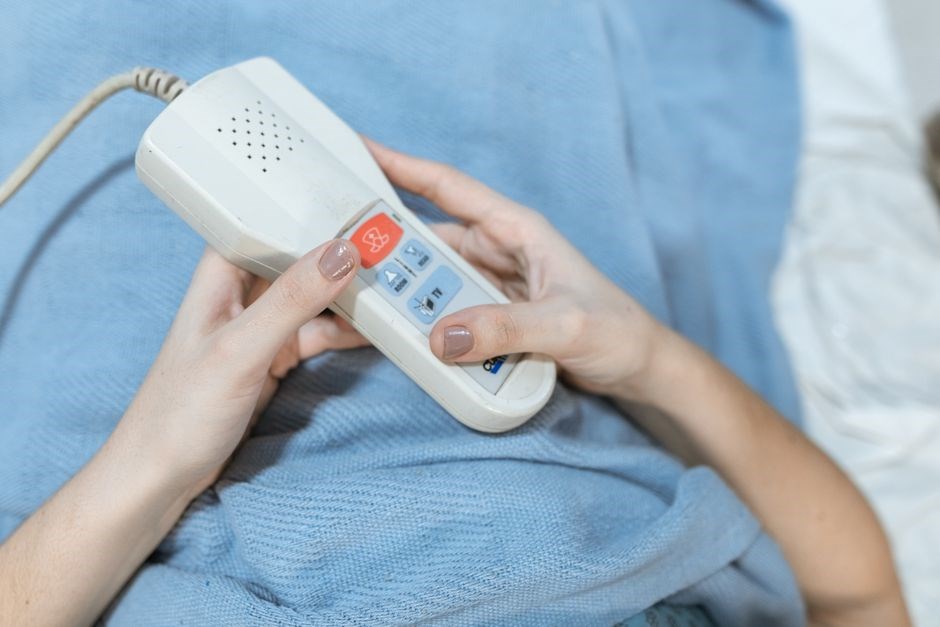
- Heating Unit – forced‑air blower and heating element.
- Blanket – disposable‚ heat‑retaining material.
- Control Panel – knob or touchpad interface.
- Temperature Sensor – feedback to controller.
Operating Principle: Forced‑Air Convective Warming
Forced‑air convective warming is the core mechanism of the Steris blanket warmer system. Air is drawn from the environment by an integrated fan‚ heated by a resistive element‚ and directed through a perforated manifold that evenly distributes warm air across the blanket’s surface. The blanket’s porous‚ heat‑retaining material captures the convective heat‚ raising the patient’s core temperature while maintaining a comfortable skin temperature. Temperature sensors embedded in the unit monitor the air temperature in real time‚ feeding data to the control logic. The controller adjusts fan speed and heating element output to maintain the set temperature‚ ensuring precise regulation within ±1 °C. Safety interlocks detect improper blanket placement or air flow blockage‚ automatically shutting down the unit to prevent overheating or patient injury. The system’s design adheres to IEC 60601‑1 and ISO 13485 standards‚ guaranteeing electrical safety‚ electromagnetic compatibility‚ and reliable performance in clinical environments. By combining forced‑air convection with responsive control‚ the Steris blanket warmer delivers rapid‚ uniform warming‚ effectively preventing and treating hypothermia in peri‑operative and critical‑care settings. This concise overview ensures technicians grasp core operations before detailed servicing.

Generations Covered (3rd–6th)
The Steris blanket warmer service manual encompasses the 3rd‚ 4th‚ 5th‚ and 6th generation AMSCO warming cabinets. Each generation shares a common forced‑air convective architecture but introduces incremental refinements in control electronics‚ user interface‚ and component durability. for optimal performance! and! The 3rd generation features a mechanical dial with a large white knob and analog temperature display‚ the 4th generation upgrades to a digital LCD panel. The 5th generation replaces the knob with a small black rotary selector and adds a silent‑mode fan option‚ improving patient comfort. The 6th generation introduces a touchpad control panel‚ high‑resolution color display‚ and Bluetooth connectivity for remote monitoring. All generations employ the same heating element and air‑flow manifold‚ allowing cross‑generation spare parts for the heater‚ fan motor‚ and temperature sensor. However‚ firmware updates and control board layouts differ‚ requiring generation‑specific diagnostic procedures. Service technicians must verify the generation identifier on the unit’s serial plate before initiating maintenance to ensure correct component selection and to avoid warranty voidance. The manual provides detailed wiring diagrams‚ part numbers‚ and troubleshooting flows for each generation‚ facilitating repair for better care!
Safety Precautions
All personnel must wear PPE‚ follow lock‑out/tag‑out‚ and use only authorized parts. Avoid touching hot surfaces‚ ensure proper ventilation‚ and adhere to Steris guidelines to prevent injury and warranty loss.!!!!
Personnel Safety Requirements
All personnel must complete refresher course maintain certification records.!!! Any deviation from safety protocol should be reported to Steris compliance officer.

Equipment Safety Cautions
All equipment handling must follow Steris guidelines. Before any maintenance‚ ensure the unit is powered down‚ unplugged‚ and isolated from the power source. Verify that the temperature control has been set to the lowest safe setting. Do not expose the heating element or thermostat to moisture or conductive fluids. Ensure all cables are insulated and secur now. Keep the cabinet’s ventilation openings clear of obstructions; clogged vents can cause overheating and fire risk. When cleaning the unit‚ use dry‚ lint‑free cloths and avoid abrasive cleaners that could damage the insulation. Never attempt to repair or modify the heating coils or control board without proper authorization. Maintain a clean work area free of flammable materials. Use insulated gloves when handling the heating element to prevent burns. Follow lock‑out tag‑out procedures before servicing to ensure the unit remains de‑energized. Record all maintenance actions in the service log‚ noting the date‚ technician name‚ and any parts replaced. If the unit displays abnormal noise‚ vibration‚ or temperature readings‚ shut it down immediately and contact Steris support. Adhering to these precautions protects personnel‚ equipment‚ and compliance with regulatory standards. OK.

Maintenance and Service
Regular servicing by Steris-trained techs ensures compliance‚ reliability‚ and warranty protection. Follow OEM parts lists‚ perform routine checks‚ and document all actions per manual instructions. All logged.
Authorized Servicing Procedures
Only Steris‑certified technicians may perform maintenance on the blanket warmer. Before any work‚ the unit must be powered off and verified as de‑energized. The service begins with a visual inspection of the cabinet‚ blanket‚ and control panel for signs of wear or damage. Next‚ the heating element‚ fan assembly‚ and airflow ducts are inspected; debris is removed with a soft brush and the fan blades are checked for balance and vibration. The thermostat and temperature sensor are tested with a calibrated thermometer; replace if readings deviate beyond ±2 °C. All electrical connections are tightened to the manufacturer’s torque specifications‚ and the control panel is calibrated against a reference standard. Firmware is updated via the touchpad interface following the OEM update guide‚ and the unit is re‑energized for a full functional test. The blanket is replaced with a new OEM blanket‚ ensuring the seal is intact and the blanket is properly positioned. Finally‚ the technician performs a safety lockout‑tagout verification‚ documents all actions in the Steris maintenance database‚ and signs off that the unit meets all safety and performance criteria. Any deviation from these steps invalidates the warranty and may compromise patient safety.
Replacement Parts and OEM Lists
For 3rd‑6th generation AMSCO warming cabinets‚ Steris provides a comprehensive OEM parts catalogue. The list includes:
- Heating element (Model 85000)
- Fan assembly (Model 85001)
- Thermostat module (Model 85002)
- Temperature sensor (Model 85003)
- Control panel touchpad (Model 85004)
- Power supply unit (Model 85005)
- Blanket housing (Model 85006)
- Single‑use blanket (Model 85007)
- Air duct kit (Model 85008)
- Seal gasket (Model 85009)
Each part is identified by a unique part number and is tested for compatibility with the specific generation. Replacement parts can be ordered through the Steris online shop or by contacting a local authorized distributor. OEM parts ensure optimal performance‚ maintain warranty coverage‚ and comply with regulatory safety standards. Non‑OEM components are not recommended‚ as they may lead to malfunction or safety hazards.
OEM parts are ordered through the Steris Parts Portal. Enter the cabinet model and generation‚ select part numbers‚ and confirm shipping. The portal shows delivery times and warranty status. For urgent needs call service center
Common Troubleshooting Guide
When the blanket warmer fails to reach set temperature‚ follow these steps:
- Check power supply: ensure the unit is connected to a grounded outlet and that the circuit breaker is not tripped.
- Inspect the thermostat: verify temperature setting is within operating range and that the sensor is clean and unobstructed.
- Examine the fan: listen for abnormal noise; if the fan stalls‚ replace the motor (OEM part 85001).
- Review the heating element: look for visible damage or scorch marks; replace if necessary (OEM part 85000).
- Confirm air flow: ensure vents and ducts are not blocked; clean filters if applicable.
- Verify control panel: touchpad or knob should respond to inputs; reset the unit by cycling power.
- Check for error codes: refer to the diag section of manual and crossref with the error list.
- Inspect wiring: look for frayed or disconnected cables; secure all connections.
- Check safety interlock: ensure blanket is correctly positioned; the interlock must engage to allow heating.
- If the unit still does not operate‚ contact Steris technical support for further diagnostics.
- OK!.

Warranty and Compliance
Unauthorized work voids warranty; only STERIS‑trained technicians may service. Compliance meets FDA‚ IEC 60601‚ and ISO 13485 standards‚ ensuring safe‚ reliable performance. All service must follow STERIS rules
Warranty Implications of Unauthorized Work
Any service performed by personnel lacking STERIS certification‚ or the use of non‑OEM components‚ invalidates the manufacturer’s warranty. The warranty covers manufacturing defects and performance failures only when the unit is operated‚ maintained‚ and repaired in accordance with the official STERIS Service Manual and by authorized technicians. Unauthorized interventions—such as self‑repairs‚ third‑party parts‚ or undocumented modifications—trigger a warranty void clause‚ which may result in the loss of coverage for all subsequent repairs or replacements‚ regardless of the original defect’s nature. In addition‚ the warranty does not extend to damage caused by improper handling‚ environmental exposure beyond specified limits‚ or electrical faults introduced by incompatible accessories. STERIS reserves the right to refuse warranty service for any unit that has been altered or serviced outside the approved procedures‚ and may require the return of the unit for inspection before re‑authorizing service. Customers are advised to maintain detailed records of all maintenance activities and to submit them to STERIS upon request to verify compliance. Failure to comply can lead to significant financial liability‚ as the cost of repairs and replacements will then be borne by the user. Therefore‚ it is essential to follow the official STERIS guidelines strictly to preserve warranty protection and ensure continued compliance with regulatory standards. The warranty period is defined in the product documentation and is contingent upon adherence to the specified operating parameters. Any deviation‚ including over‑temperature settings or incorrect power supply‚ can be grounds for warranty denial. STERIS recommends periodic inspections and calibration by certified personnel to maintain warranty eligibility. Users should also be aware that the warranty does not cover loss of data‚ downtime‚ or indirect damages resulting from unauthorized service. In cases where the unit is returned for warranty service‚ STERIS may perform a full diagnostic and‚ if necessary‚ replace or repair the affected components at no cost‚ provided the original warranty conditions are met. Maintaining strict compliance with STERIS protocols safeguards both the device’s integrity and the user’s financial investment.
Regulatory and Certification Standards

STERIS blanket warmers are designed to meet stringent regulatory and certification requirements across multiple regions. The units receive FDA 510(k) clearance‚ confirming they are substantially equivalent to a legally marketed predicate device in safety and effectiveness. They also comply with IEC 60601‑1 and IEC 60601‑1‑2 for electrical safety‚ electromagnetic compatibility‚ ensuring reliable operation in hospital electromagnetic environments. In the European Union‚ the equipment is CE‑marked under the Medical Device Regulation (MDR) 2017/745‚ while in the United Kingdom they carry the CE mark and meet UK MDR 2002 post‑Brexit. The devices satisfy OSHA electrical safety guidelines and British Standard BS 7671 wiring regulations‚ providing protection for clinical staff; ISO 13485:2016 quality management system certification confirms that design‚ manufacturing‚ and post‑market surveillance processes meet the highest quality standards. Additionally‚ ISO 14971 risk management is applied throughout the product lifecycle‚ systematically identifying‚ evaluating‚ and mitigating hazards. Compliance is verified through rigorous testing‚ documentation‚ and post‑market surveillance‚ ensuring each unit remains compliant throughout its service life daily!!