
musical instruction meaning not too much
Modern musical education prioritizes core musicality and enjoyment, shifting away from overly complex techniques; fostering lifelong engagement through practical musicianship and improvisation.
The Shifting Landscape of Music Education
Historically, music instruction often emphasized rigorous technical exercises and detailed analysis, sometimes overshadowing the joy of musical expression. This traditional approach, while valuable for developing skill, could inadvertently create barriers to entry and stifle creativity.
However, a significant shift is underway, recognizing the importance of “meaning not too much” – a focus on core musicality and intuitive understanding. Educators are increasingly prioritizing motivation and enjoyment, fostering a love for music that extends beyond technical proficiency. This involves encouraging improvisation, performance without relying solely on notation, and a comprehensive approach to musicianship encompassing reading, writing, and composition.
The goal is to cultivate lifelong engagement with music, empowering students to become intelligent music makers and listeners, rather than simply skilled performers.
Beyond Traditional Methods: A New Approach
Embracing “meaning not too much” necessitates a pedagogical shift towards experiential learning and student-centered instruction. This means moving away from rote memorization and overly detailed analysis, and instead focusing on fostering musical intuition and creativity.
Effective instruction prioritizes motivating students to perform with enjoyment and practical musicianship, allowing them to explore improvisation and perform without strict adherence to notation. This approach cultivates a deeper understanding of musical concepts through active participation and self-expression.
Ultimately, the aim is to empower students to become confident, versatile musicians capable of lifelong engagement with music, fostering both intelligent listening and creative music-making.
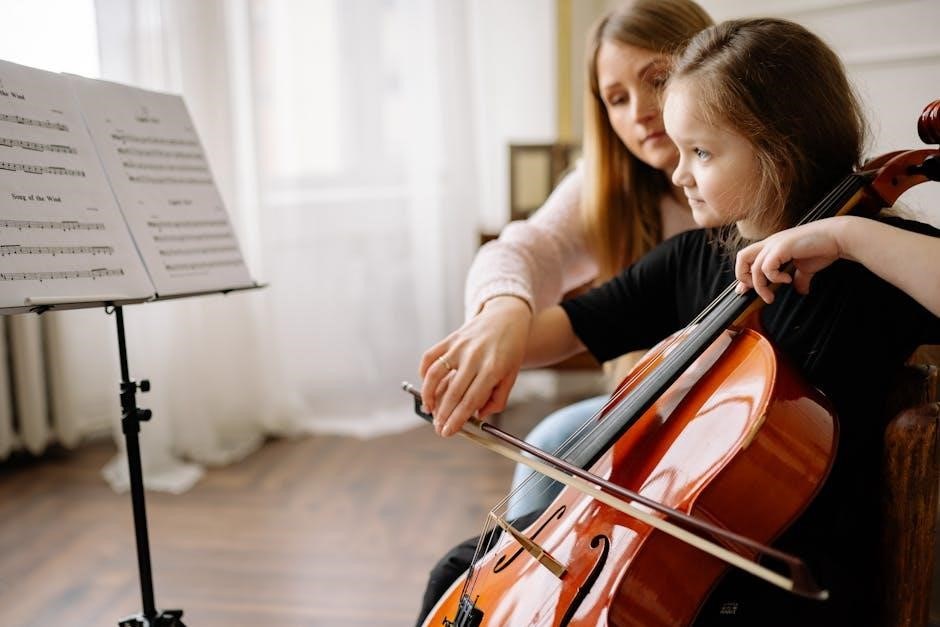
Understanding “Meaning Not Too Much” in Musical Instruction
“Meaning not too much” champions a balanced approach, prioritizing core musicality over excessive technical detail to unlock genuine expression and enjoyment.
Deconstructing Overly Complex Techniques
Traditional musical instruction often burdens students with intricate details prematurely, hindering their overall musical development. This approach can stifle creativity and diminish the joy of playing. The focus should shift from mastering isolated techniques to understanding the underlying musical principles.
Deconstructing complexity involves breaking down challenging passages into manageable components, emphasizing musical phrasing and expression rather than solely technical perfection. Students should be encouraged to prioritize musicality and emotional connection over flawless execution. This fosters a deeper understanding and appreciation for the music, ultimately leading to more compelling performances. Avoiding excessive detail allows for greater artistic freedom and encourages improvisation.
Focusing on Core Musicality
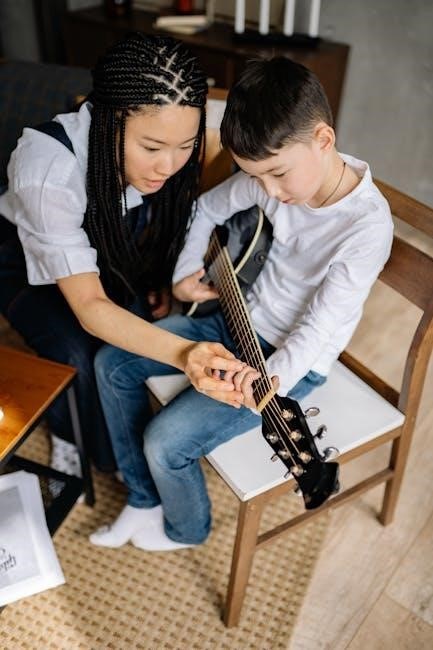
True musicality transcends technical proficiency; it’s about conveying emotion and telling a story through sound. Instruction should prioritize developing a student’s ear, rhythmic sensitivity, and expressive capabilities. This means emphasizing phrasing, dynamics (crescendo, calando), and stylistic nuance (cantabile, con affetto).
Rather than obsessing over minute details, educators should guide students to connect with the emotional core of the music. Encouraging improvisation and performance without notation fosters a deeper understanding of musical structure and expression. This approach cultivates a lifelong love of music, empowering students to become not just performers, but also intelligent and engaged listeners.
The Pitfalls of Excessive Detail
Overly detailed instruction can stifle creativity and hinder a student’s natural musical instincts. Focusing too much on technical minutiae – like precise fingerings or complex theoretical concepts – can overshadow the joy of making music. This can lead to performance anxiety and a lack of genuine expression (amoroso, animato).
Students may become reliant on rigid rules, losing the ability to improvise or interpret music with personal feeling. The goal isn’t to create perfect replicas, but to nurture individual musical voices. A balanced approach, prioritizing core musicality over exhaustive technique, fosters a more fulfilling and sustainable relationship with music.

Key Goals of Effective Musical Instruction
Effective instruction motivates enjoyment, fosters improvisation without notation, develops comprehensive musicianship, and cultivates lifelong engagement – enabling intelligent music making and listening.
Motivation and Enjoyment in Performance
Cultivating a genuine love for music is paramount. Instruction shouldn’t be bogged down by excessive detail, instead focusing on sparking joy and practical musicianship. When students are motivated and enjoying the process, learning becomes organic and sustainable. This approach, central to JRI’s philosophy, prioritizes successful performance fueled by enjoyment, rather than technical perfection.
A relaxed and encouraging environment allows students to explore their musicality freely. Removing the pressure of flawless execution encourages experimentation and improvisation. Ultimately, fostering a positive relationship with music ensures lifelong engagement, transforming students into not just performers, but passionate music makers and informed listeners.
Improvisation and Performance Without Notation
Liberating students from strict adherence to notation unlocks creative potential. JRI emphasizes the ability to perform and improvise independently, fostering a deeper understanding of musical principles. This isn’t about dismissing reading music, but augmenting it with spontaneous expression.
By encouraging improvisation, students develop a stronger connection to the music, internalizing rhythms and harmonies. This skill transcends technical proficiency, enabling them to respond dynamically and authentically. The goal is to cultivate musicians who can not only reproduce existing works, but also create their own, ensuring a lifelong, meaningful relationship with music.
Comprehensive Musicianship: Reading, Writing, and Composition
A holistic approach to musical education encompasses reading, writing, composition, arrangement, and performance. JRI’s philosophy centers on comprehension – understanding why music works, not just how to play it. This involves decoding notation, but extends far beyond, empowering students to actively create and shape sound.
Learning to compose and arrange fosters a deeper appreciation for musical structure and form. It’s about translating internal musical ideas into tangible expressions. This comprehensive skillset ensures students become intelligent music makers and listeners, equipped for continued growth and meaningful engagement throughout their lives.
Lifelong Engagement with Music
Effective musical instruction doesn’t end with formal education; it cultivates a lasting passion for music. JRI aims to enable students to continue performing meaningfully, becoming both skilled musicians and discerning listeners. This involves fostering independence and creativity, allowing individuals to explore diverse musical styles and genres.
The goal is not simply to train performers, but to nurture a lifelong relationship with music – a source of joy, expression, and intellectual stimulation. By prioritizing enjoyment and practical musicianship, students are empowered to remain active participants in the musical world long after their studies conclude.

Italian Musical Terms: A Practical Guide
Italian terms offer nuanced expression, but understanding core concepts—tempo, dynamics, and style—is crucial; avoid getting lost in excessive detail for effective musicality.
Tempo Markings: Setting the Pace
Tempo markings, like Accelerando (increasing speed) and Adagio (slowly), guide performance, but shouldn’t overshadow musical feeling. Focusing solely on precise metronomic accuracy can stifle expression.
Instead, encourage students to feel the tempo, understanding how Allegro (quickly) differs from Allegretto (fairly quickly) not just numerically, but emotionally. Terms like Andante (moderately slow) and Animato (lively) are descriptive; prioritize conveying the intended character over rigid adherence.
Calando (gradually decreasing) demonstrates nuance. The goal isn’t simply slowing down, but creating a specific effect. Over-analyzing these terms hinders intuitive musicality; focus on the meaning behind the pace, not just the pace itself.
Accelerando: Increasing Speed
Accelerando, meaning to gradually increase speed, should be taught as a dynamic expressive tool, not a mechanical instruction. Students often focus on how much to accelerate, losing sight of why.
Emphasize the emotional impact – building excitement, creating a sense of urgency, or mirroring a narrative arc. Avoid precise percentage increases; instead, encourage a natural, intuitive acceleration guided by musical phrasing.
Discuss how Accelerando interacts with dynamics and articulation. Is it a subtle lift, or a dramatic surge? The goal is musical storytelling, not robotic precision. Over-analyzing defeats the purpose; let the music breathe and flow.
Adagio: Slowly
Adagio, indicating a slow tempo, is frequently misinterpreted as an invitation for lifelessness. Instead, emphasize that slowness allows for profound expression and nuanced detail. Avoid fixating on a metronomic beat; focus on sustained tone and deliberate phrasing.
Encourage students to explore the emotional weight of each note, shaping the melody with sensitivity. Discuss the difference between “slow” and “dragging.” Adagio should feel expansive, not stagnant.
Highlight the importance of breath control and attentive listening. The space between notes is as crucial as the notes themselves. Prioritize musicality over strict adherence to tempo markings.
Agitato: In an Agitated Manner
Agitato suggests unrest and emotional turbulence, but avoid prompting exaggerated or theatrical performances. Instead, guide students to find the underlying tension within the music, focusing on rhythmic drive and dynamic contrast.
Emphasize that “agitation” doesn’t necessitate frantic playing; it’s about conveying a sense of urgency and inner conflict. Encourage exploration of subtle variations in touch and articulation.
Discuss how composers use dissonance and harmonic instability to create this effect. Focus on communicating the feeling of agitation, rather than simply mimicking a surface-level intensity.
Allegretto: Fairly Quickly
Allegretto, meaning “fairly quickly,” often presents a challenge: avoiding rushing while maintaining a lively tempo. Guide students to understand it’s not simply a slower allegro, but possesses its own distinct character—light, graceful, and buoyant.
Focus on establishing a comfortable pulse and ensuring clarity of articulation. Avoid excessive emphasis on speed; prioritize musicality and phrasing. Encourage students to listen critically to their own playing, checking for tension or unevenness.
Discuss how allegretto movements often feature playful melodies and a sense of gentle energy. Emphasize balance and control, rather than sheer velocity.
Allegro: Quickly, Briskly
Allegro, translating to “quickly, briskly,” demands precision and control, not just speed. The temptation to rush is significant; therefore, emphasize maintaining rhythmic accuracy and clear articulation even at a faster tempo. Focus on efficient technique – relaxed hands, proper posture – to prevent tension.
Guide students to feel the pulse internally, ensuring a steady beat. Break down challenging passages into smaller sections, gradually increasing the tempo. Remind them that allegro should be energetic and joyful, not frantic or sloppy.
Prioritize musical expression over sheer velocity; phrasing and dynamics remain crucial.
Amoroso: Lovingly
Amoroso, meaning “lovingly,” calls for a tender and expressive performance, prioritizing emotional connection over technical display. Avoid excessive vibrato or dramatic gestures; instead, focus on a warm, lyrical tone and delicate phrasing. Encourage students to imbue the music with genuine feeling, imagining a heartfelt message.

Emphasize legato phrasing and subtle dynamic variations to convey tenderness. Guide them to shape each note with care, creating a sense of intimacy and vulnerability. Remind them that amoroso isn’t about sentimentality, but sincere expression.
Prioritize musicality and emotional depth over technical perfection.
Andante: Moderately Slow
Andante, a moderately slow tempo, demands a walking pace, encouraging a balanced approach between speed and expression. Avoid rushing or dragging; focus on maintaining a steady pulse while allowing for subtle rhythmic flexibility. Emphasize clarity of phrasing and a lyrical quality, avoiding overly complex ornamentation.
Guide students to feel the natural flow of the music, imagining a gentle stroll. Encourage them to shape phrases with a sense of narrative, building and releasing tension organically. Remind them that andante isn’t merely about slowness, but graceful movement.
Prioritize musical storytelling and expressive phrasing.
Andantino: Slightly Faster than Andante
Andantino, a touch quicker than andante, invites a slightly more animated feel without sacrificing lyrical expression. It’s a subtle increase in pace, demanding careful attention to maintaining clarity and avoiding a rushed sound. Encourage students to perceive it as a gentle quickening of the walking pace, not a sprint.
Focus on preserving the melodic line and expressive phrasing. Avoid adding unnecessary complexity or ornamentation; instead, emphasize a refined and elegant delivery. Guide students to feel the music’s pulse and respond with a natural, flowing rhythm.
Prioritize musical storytelling and expressive phrasing.
Animato: Lively
Animato signifies a lively and spirited character, urging performers to infuse the music with energy and enthusiasm. However, “lively” doesn’t equate to “fast” or “loud.” Instead, it’s about a heightened sense of vitality and forward motion, a feeling of being imbued with life.
Encourage students to explore dynamic contrasts and rhythmic nuances to convey this animation. Focus on a buoyant and engaging performance, avoiding excessive forcefulness. The goal is to communicate joy and excitement through musical expression, not sheer volume.
Prioritize a natural and expressive delivery, letting the music breathe.
Appassionato: Impassioned
Appassionato demands a performance filled with intense emotion and fervent expression, yet avoid melodramatic excess. True passion stems from a deep connection to the music, not simply exaggerated gestures or forced intensity.
Guide students to identify the emotional core of the piece and convey it authentically. Encourage them to explore the nuances of phrasing and dynamics to build emotional impact gradually. Focus on sincerity and vulnerability, rather than superficial displays of feeling.
Remind them that restraint can often be more powerful than unrestrained outburst.
Calando: Gradually Decreasing Tone and Speed
Calando signifies a subtle and controlled fading, both in volume and tempo, avoiding abrupt stops or overly dramatic diminutions. It’s about a gentle descent, a softening of the musical landscape, not a sudden collapse.
Instruct students to perceive calando as a natural ebb, a release of energy, rather than a technical exercise. Emphasize the importance of maintaining musicality throughout the decrease, ensuring the phrasing remains elegant and connected.
Avoid forcing the effect; let it emerge organically from the musical context, fostering a sense of peaceful resolution.
Performance Style and Expression
Focusing on genuine emotional connection, rather than rigid adherence to technicalities, unlocks expressive performance. Terms like cantabile (in a singing style) and con affetto (with tender emotion) aren’t merely directives, but invitations to imbue the music with feeling.
Encourage students to explore the narrative within the music, understanding the composer’s intent and translating it through nuanced phrasing and dynamics. Avoid over-analyzing; prioritize intuitive expression;

Emphasize that musicality stems from heartfelt interpretation, not simply executing instructions. Let the music breathe and speak for itself.
Cantabile: In a Singing Style
Cantabile, meaning “in a singing style,” encourages a lyrical and flowing approach to phrasing, prioritizing vocal-like expression even on instruments. It’s about shaping notes with breath and connection, not technical perfection.
Instead of dissecting precise articulation, guide students to emulate the natural rise and fall of a singer’s voice. Focus on legato phrasing and a warm, resonant tone. Avoid forcing the sound; let it emerge organically.
Emphasize that cantabile isn’t about imitating vocal techniques literally, but capturing the spirit of vocal expression – its beauty and emotional depth;
Con Affetto: With Tender Emotion
Con affetto, translating to “with tender emotion,” directs performers to imbue the music with heartfelt feeling, but avoid prescribing how that emotion should manifest. The goal isn’t to manufacture a specific sentiment, but to unlock genuine expression.
Instead of dictating “play sadly” or “play lovingly,” encourage students to connect with the music on a personal level. Explore the narrative, harmonic shifts, and melodic contours to discover their own emotional response.
Guide them to channel vulnerability and sincerity, allowing the music to speak through them, rather than imposing a pre-defined interpretation.
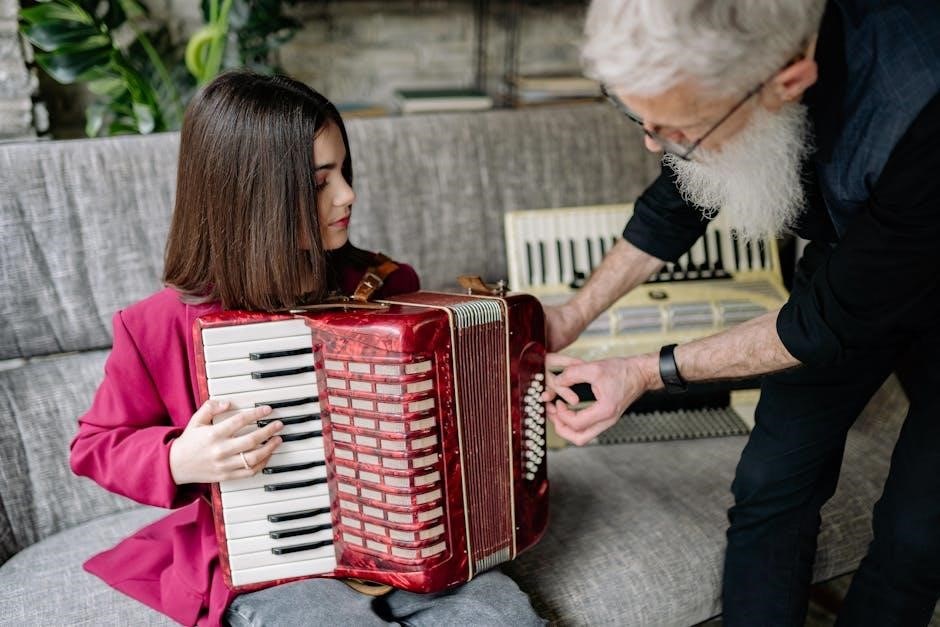
Con Amore: Lovingly
Con amore, meaning “lovingly,” invites a performance filled with warmth and affection, yet, like other expressive markings, it shouldn’t become a rigid instruction. The emphasis should be on conveying a sense of genuine fondness for the music itself, not a forced display of sentiment.
Instructors should guide students to explore how musical elements – phrasing, dynamics, and articulation – can naturally evoke feelings of love and tenderness. Encourage them to approach the piece with a joyful and appreciative spirit.
Avoid overly prescriptive interpretations; allow the student’s personal connection to the music to shape their performance.
Con Anima: With Spirit
Con anima, translating to “with spirit,” calls for a performance imbued with life and energy, but not necessarily frantic intensity. It’s about injecting passion and vitality into the music, allowing the performer’s inner emotions to shine through, without overthinking technical details.
Instructors should encourage students to connect with the emotional core of the piece, exploring how rhythmic drive and dynamic contrast can convey a sense of spiritedness. Focus on a natural, unforced expression of feeling.
Avoid imposing a specific interpretation; let the student’s individual spirit guide their performance.
Con Brio: Vigorously
Con brio, meaning “with vigor,” demands a performance characterized by strength, energy, and brilliance, but crucially, not at the expense of musicality. It’s about conveying a sense of powerful forward motion and excitement, avoiding a heavy or forced sound.
Instructors should guide students to achieve this vigor through a confident rhythmic approach and a full, resonant tone. Emphasize clarity and precision, ensuring the energy doesn’t translate into sloppiness.
Encourage students to embrace the boldness of the term, but always within the context of the music’s overall character and emotional intent.
Con Fuoco: With Fire
Con fuoco, translating to “with fire,” signifies a performance brimming with passion, intensity, and dramatic flair, yet it shouldn’t become merely bombastic. The challenge lies in channeling raw emotion into focused musical expression, avoiding uncontrolled outbursts.
Instructors should help students cultivate this fiery spirit through dynamic contrast and expressive phrasing. Encourage a bold, assertive tone, but emphasize maintaining technical control and musical clarity.
Guide students to understand that “fire” isn’t just about volume; it’s about conveying a compelling emotional narrative through their playing, with nuance and sensitivity.
Con Moto: Quickly
Con moto, meaning “with motion” or “quickly,” directs a brisk tempo, but it’s crucial to avoid simply rushing through the piece. Speed should serve the music, enhancing its energy and vitality, not obscuring its musicality.
Instructors should guide students to maintain clarity and precision even at a faster pace. Focus on rhythmic accuracy and articulation, ensuring each note is distinct and purposeful.
Emphasize that “quickly” doesn’t equate to sloppiness; it requires heightened focus and control. Encourage students to feel the pulse and maintain a steady, driving rhythm, conveying a sense of forward momentum.
Crescendo: Gradual Increase in Volume
Crescendo, indicating a gradual increase in volume, is more than just getting louder; it’s about building musical intensity and emotional impact. Instructors should emphasize a controlled and nuanced swell, avoiding abrupt or uncontrolled increases in dynamics.
Students need to understand the why behind the crescendo – what musical phrase or emotion is being emphasized? It’s not merely a technical instruction, but an expressive one.
Focus on smooth transitions and evenness throughout the crescendo, ensuring the increase feels organic and purposeful. Avoid simply “turning up the volume”; instead, cultivate a sense of growing energy and anticipation.

The Role of Musicals in Contemporary Music Education
Musicals like “Cats” and “EPIC” offer engaging contexts for analyzing musical storytelling, emotional impact, and practical performance skills, enriching instruction.
Analyzing Popular Musicals: “Cats” as a Case Study
Examining Andrew Lloyd Webber’s “Cats” provides a compelling lens for musical instruction, demonstrating how impactful storytelling transcends technical complexity. The musical’s enduring popularity, stemming from its emotional core – particularly the iconic song “Memory” – highlights the power of conveying feeling over flawless execution.
Focusing on the emotional arc and character development within “Cats” allows students to explore musical expression without being bogged down in overly intricate arrangements. Analyzing how Webber utilizes melody and harmony to evoke specific moods reinforces the idea that “meaning, not too much” technicality is paramount. This approach fosters a deeper understanding of musical communication and encourages students to prioritize artistic intent.
Furthermore, “Cats” showcases how a cohesive artistic vision can elevate a performance, even with relatively simple musical structures. This reinforces the importance of musicality and interpretation.
Exploring Musical Storytelling and Emotional Impact
Effective musical instruction should prioritize conveying narrative and emotion over technical perfection, embodying the “meaning, not too much” philosophy. Students benefit from analyzing how composers utilize musical elements – tempo (andante, allegro), dynamics (crescendo), and expression (con affetto) – to shape a story and evoke feelings.
Rather than focusing solely on note accuracy, educators should encourage students to interpret musical cues and connect them to the emotional context. Exploring how Webber’s “Cats” utilizes musical motifs to represent characters and themes exemplifies this approach.
This fosters a deeper understanding of musical language and empowers students to become expressive performers, prioritizing artistic communication and emotional resonance above all else, ultimately creating a more meaningful musical experience.
“EPIC: The Musical” ー A Modern Example

“EPIC: The Musical” demonstrates how contemporary works can be utilized to illustrate the “meaning, not too much” principle in instruction. Analyzing songs like “The Horse and the Infant” or “Warrior of the Mind” reveals how musical choices – tempo shifts (accelerando, calando), dynamic variations, and emotive phrasing (appassionato) – amplify the narrative.
Instructors can guide students to identify these elements and discuss their impact on the listener, moving beyond simply playing the notes correctly. Focusing on the emotional intent behind the music, and how it supports the storytelling, is paramount.
This approach encourages students to become active listeners and expressive performers, prioritizing artistic interpretation over technical rigidity, fostering a deeper connection to the material.